Low back pain is a very common musculoskeletal condition that affects people not only in the UK but also around the world.Chronic nonspecific low back pain is defined as pain Without a known cause that can last for more than three months (Mu et al., 2020). Low back pain considered as the leading cause of limitation of activities and work life (Wu et al., 2020). According to Casiano et al., (2023) Most of the back pains are mechanical or non-specific and nearly 23% of the adult population suffer from chronic low back pain. Mechanical low back pain can emerge from lumbar intervertebral disks, spine, or soft tissues. The most common cause is overuse and repetitive trauma, and it is mostly related to workplace injuries (Miller et al., 2018). cLBP affects more than one-fifth of adults in Western countries, affects female subjects more than male subjects, and is most common among individuals aged 40 to 80 years.
Facts
- Low back pain is the 2nd most common cause for missed working days
- Leading cause for disability between age 19-45
- Leading cause for the occupational impairment
Low back pain can be originated from
- Lumbar vertebrae
- Thoraco-lumbar facia
- Spinal Ligaments
- Joints
- Muscles
Types of back pain
- Mechanical LBP 80% muscular strain/ligamentous injury
- Neurologenic LBP 15% Herniated disc, spinal stenosis, foraminal stenosis disc annular tear and neuritis
- Non-Mechanical LBP Infections Neoplasms Inflammatory conditions such as ankylosis spondylitis, Rheumatoid arthritis
- Referred pain 1-2%
- Other types ( 2-6%) Such as fibromyalgia
The most commonly used treatments for LBP are,
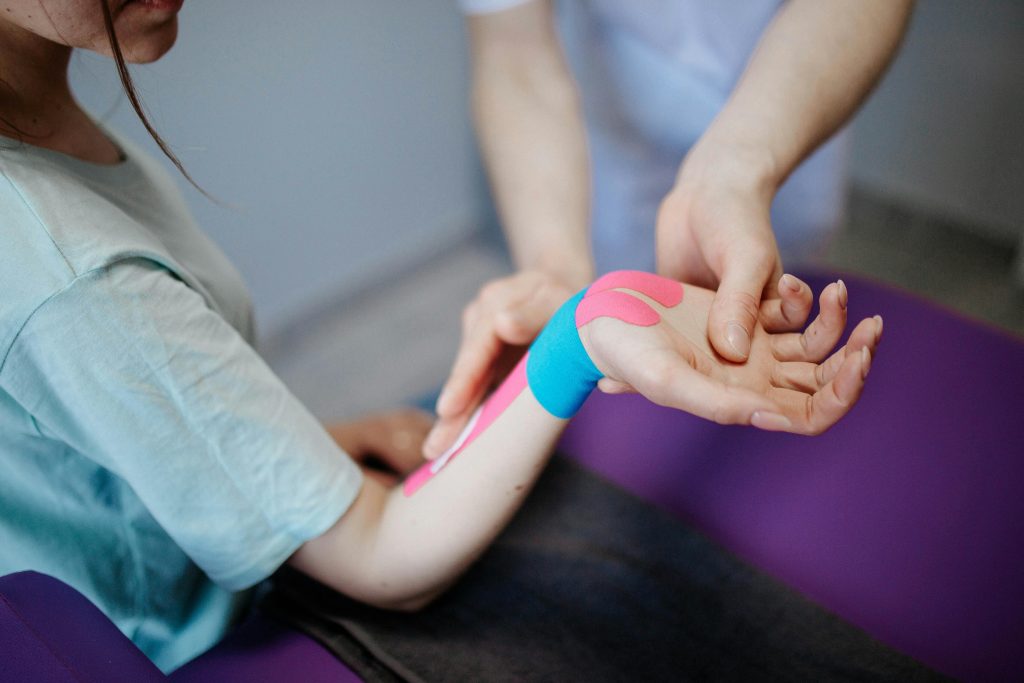
- Multidisciplinary rehabilitation
- Injections
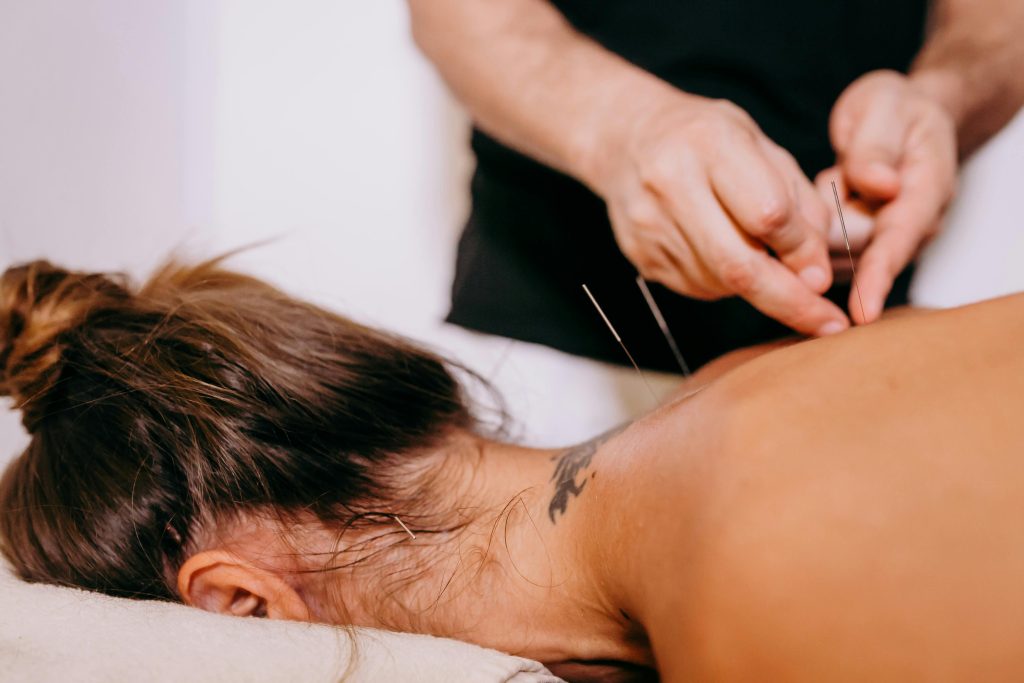
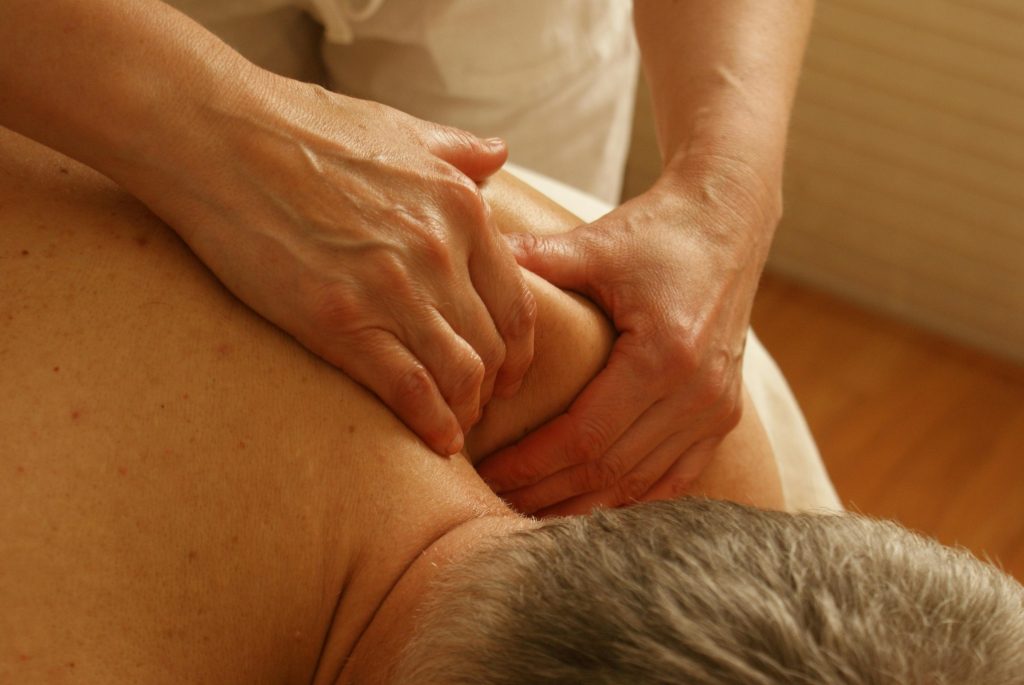
- Manual Therapies/acupuncture
- Self-management
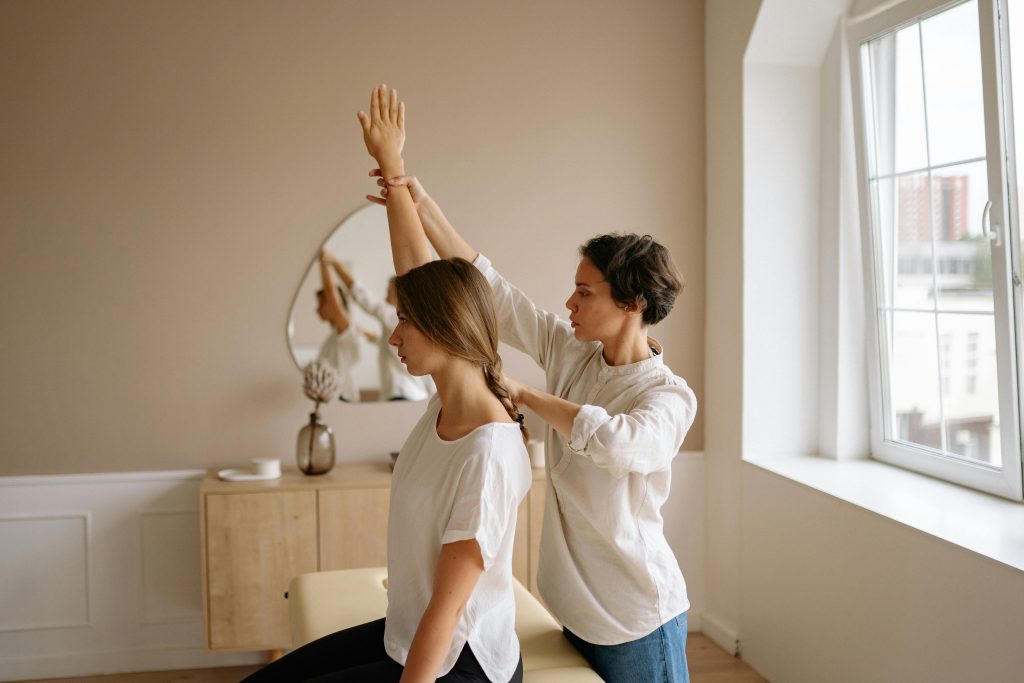
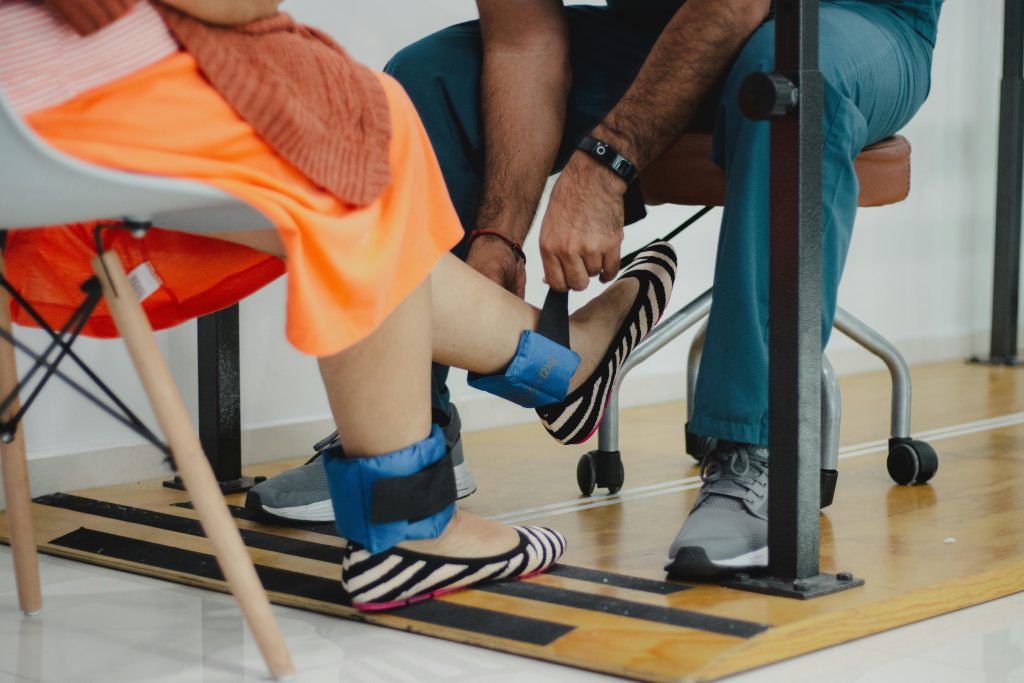
- Exercise therapy
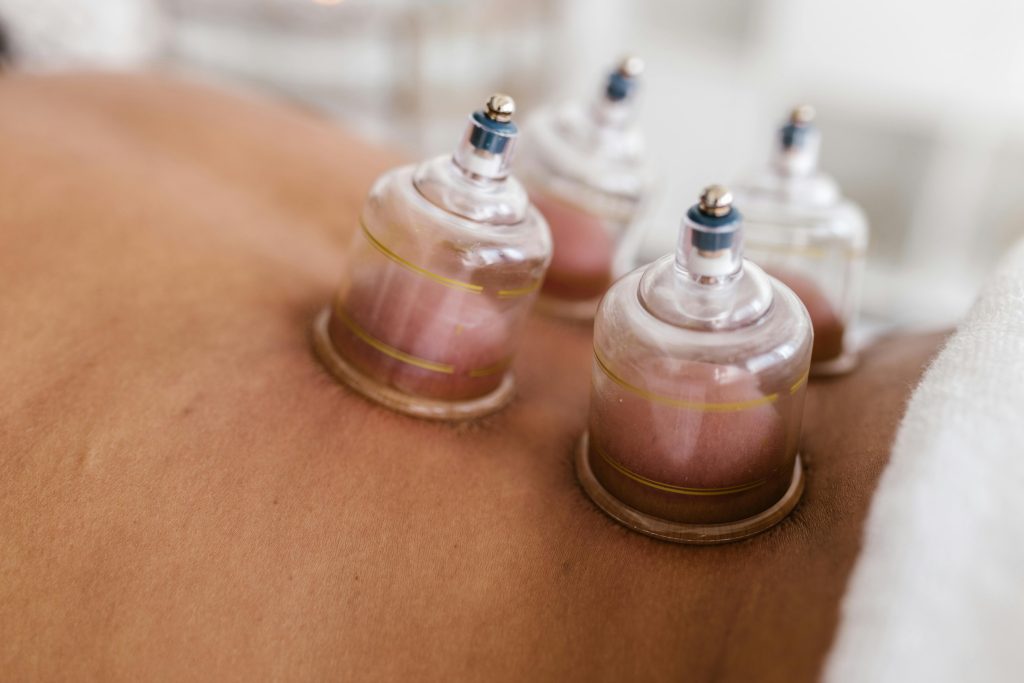
Exercise therapy most likely reduces pain when compared to no treatment in people with chronic, non-specific low-back pain. The impact of exercise therapy on functional limitations when compared with no treatment and pain and functional limitations when compared with other conservative care is probably small. Evidence also suggests that combination of electrotherapy, acupuncture, cupping therapy can enhance the recovery for the low back pain
The systematic review done by Liu et al., (2015) concludes that acupuncture for chronic low back pain is effective in improving pain and function but there is no significant difference with the sham acupuncture treatment. However, there are some randomised control trials that had positive outcomes in terms of pain intensity and bothersome unclear for patients suffering from chronic nonspecific low back pain.